CULTURE • April 2026 • 2 min read
Each year, the Njah-Etu Royal Palace hosts the Nguon Festival — a sacred gathering that renews the bonds of kinship, honours ancestral spirits, and reaffirms the authority of the Fon over the Mbatu Kingdom.
The Nguon Festival is the most important ceremonial event in the Mbatu Kingdom's calendar. Held each November at the Njah-Etu Royal Palace in the Mbatu Subdivision of Cameroon's North West Region, it brings together subjects, notables, and dignitaries from across the Grassfields and beyond.
The festival traces its roots to the founding of the Mbatu chieftaincy. According to oral tradition, the first Fon instituted the Nguon as a yearly act of communion between the living and the ancestors — a moment when the veil between worlds grows thin, and the wisdom of those who came before can be called upon.
Today the ceremony spans three days. The opening rites are conducted at dawn within the palace's inner courtyard, where only initiated elders and royal family members may gather. Libations of palm wine are offered to the sacred ancestral shrines, and the royal drums — some believed to be centuries old — are beaten in patterns passed down through generations of palace musicians.
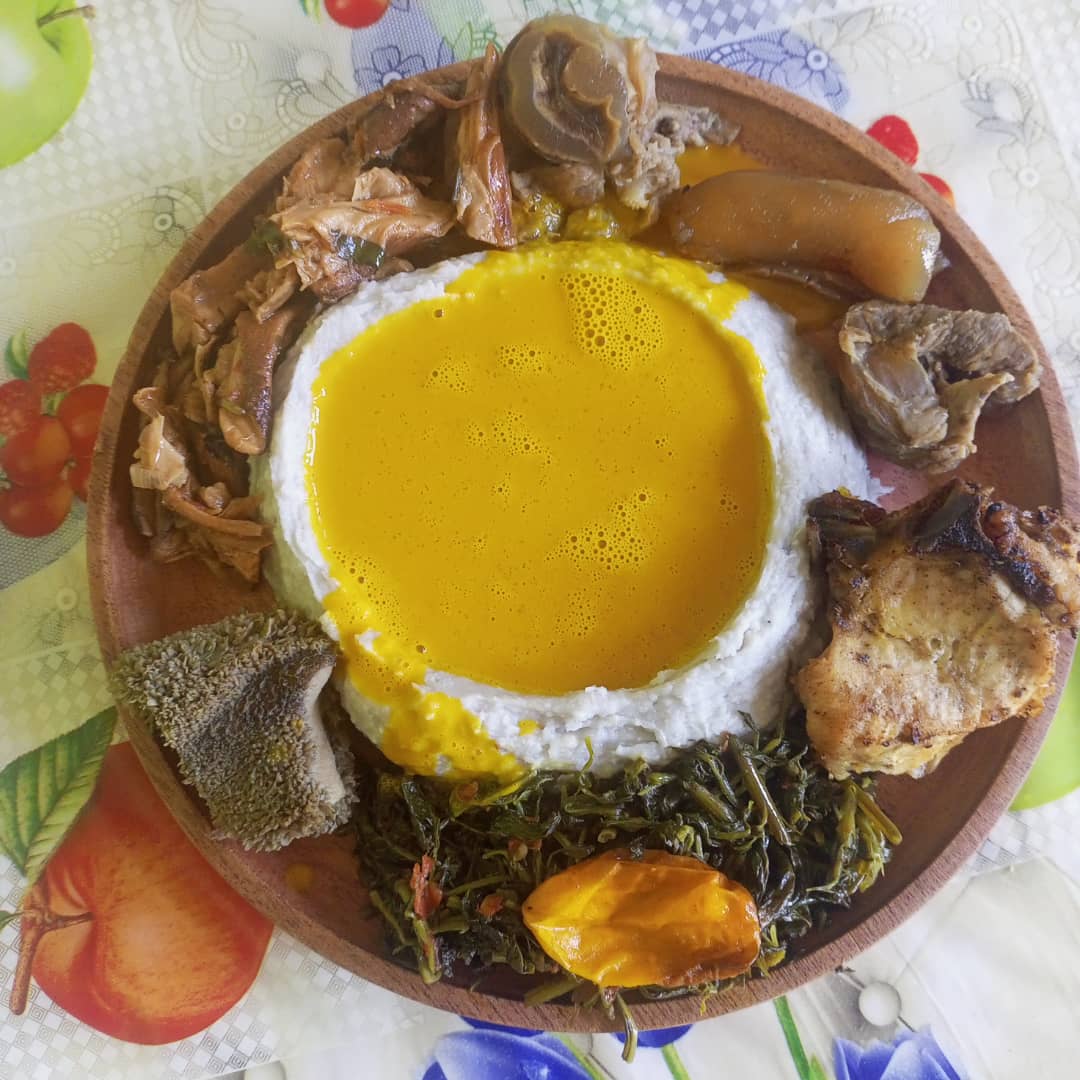
By midday, the royal grounds open to the broader community. Women in brightly coloured atoghu cloth dance in concentric circles around the palace esplanade. Men wear the traditional nkap — the royal cap adorned with feathers and beads that signal rank and lineage. Food is shared communally: achu (pounded cocoyam) with oilseed soup, kati kati grilled chicken, and fresh palm wine drawn that morning.
Fon Evaristus Mbatu II presides over the gathering dressed in full regalia — the leopard-skin mantle, the beaded sceptre, and the buffalo-horn headdress that symbolises strength, authority, and protection of the people.
"The Nguon is not a performance for visitors," the Fon remarked at last year's ceremony. "It is a living act of governance. When our people gather here, disputes are settled, alliances are renewed, and the moral order of the kingdom is reaffirmed."
In recent years, the festival has drawn international attention. Cultural researchers from the University of Yaoundé and diaspora members from Europe and North America have attended, bringing with them resources and fresh interest in documenting the kingdom's intangible heritage.
The palace welcomes respectful visitors to the public portions of the Nguon. Contact the royal secretariat for the annual date and visitor guidance.
No related stories.